
01
Choose the reference before choosing the fabric
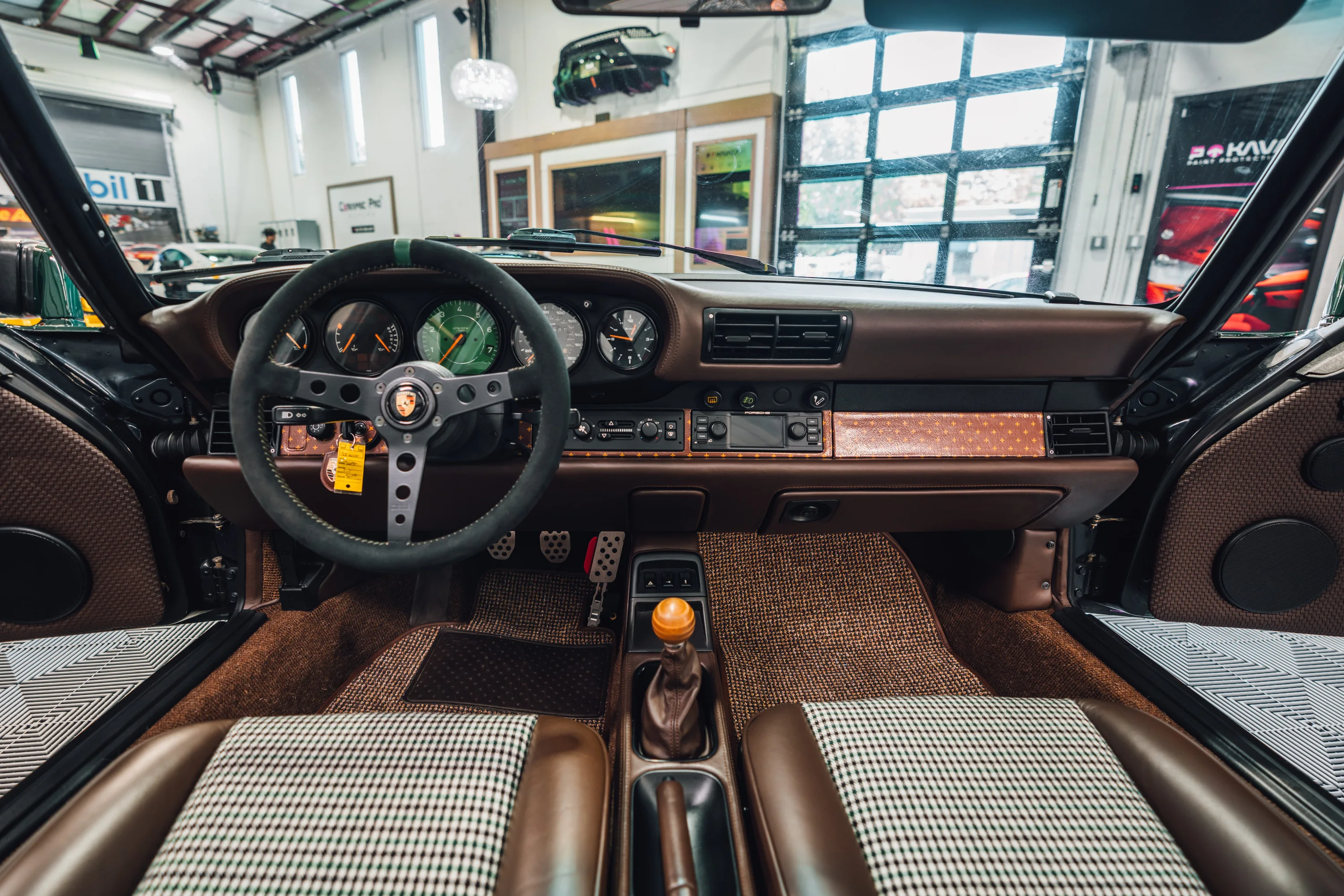
For classic car upholstery, “original” can mean keeping the material already in the car, recreating its factory specification with new material, or preserving the general look while changing details. Those are different instructions. Decide which one you mean before choosing a color or asking for a quote.
Start with one sentence that describes your goal. “Keep the surviving door panels and match the seats to them” is a usable brief. So is “return the seats to the documented factory trim.” “Make it original” leaves the reference undecided.
You can make different choices for different parts of the interior. A car might retain its dashboard while receiving new seat covers. Record the exceptions rather than asking one label to describe the whole job.
02
Factory records and surviving trim answer different questions
A factory record describes how a car was supplied. The interior you see today shows its current condition and configuration. Do not assume those two sources agree, particularly when you do not know the car’s repair history.
Porsche’s Classic Technical Certificate is a useful example of the distinction. Porsche says the document includes original delivery information, including interior color and material, alongside a technical inspection of the vehicle as it exists now. That is more specific than identifying a pattern from a photograph.
For your upholstery brief, keep the record and your observations in separate fields. If a seat appears to have been retrimmed, describe what you can see and what remains unknown. That record does not establish whether every panel currently in the car is original.
03
A period pattern is not a car’s build record
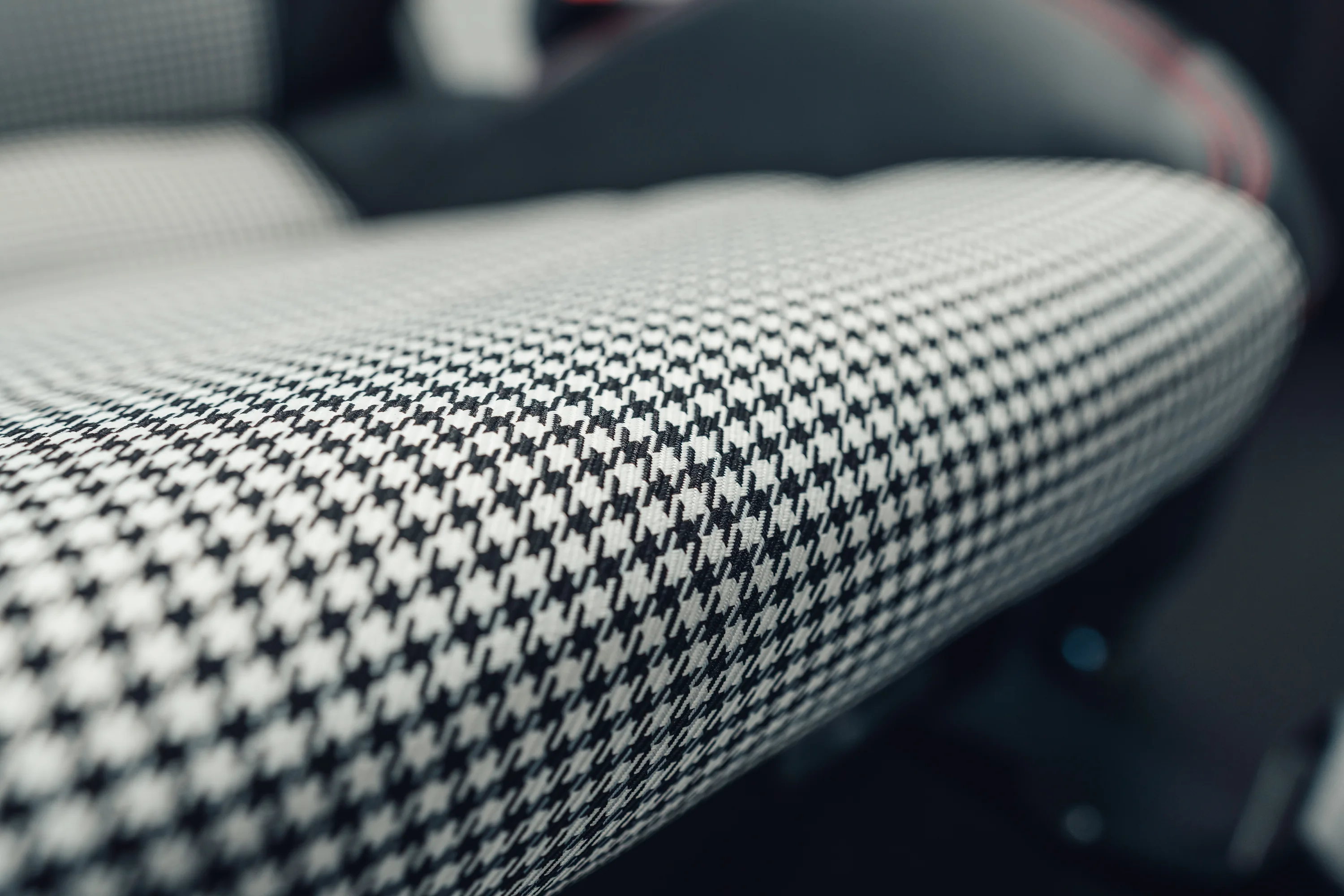
A familiar fabric can fit the character of a car without proving its history. Porsche has reissued historic fabrics including Pasha, tartan and Pepita. Its announcement describes model applications and the use of factory specification records as a reference.
Use a manufacturer catalogue to identify possible materials, then check the evidence for the individual car. A photographed interior, a catalogue entry and a build record are not interchangeable.
If your favorite pattern was not specified for your car, you can still discuss it as a deliberate design choice. Write “preferred pattern” beside the reference image. That is clearer than describing an intentional change as a restoration to factory specification.
04
Make one decision for each panel
Take a wide photograph of the interior, then closer photographs of the areas you want to change. Label the seat centers, side panels, door inserts and dashboard separately. Keep a copy of the same photographs with your brief so that you and the shop are discussing the same pieces.
The example below is a planning exercise, not a completed Unique Auto Lab project. Notice that the missing evidence stays visible. The worksheet does not diagnose whether an existing panel can be retained.
| Part | What you know | Requested result | Still to confirm |
|---|---|---|---|
| Front seat centers | Current patterned covers; history unknown | Recreate the factory specification, if it can be established | Obtain the relevant record; confirm material and sample |
| Door inserts | Owner likes the existing color and texture | Retain if condition allows | Shop inspection; compare new seat samples beside the inserts |
| Stitching | Reference photograph shows contrasting thread | Use contrast as an intentional design change | Choose thread color on a sample; record that it is a preference |
05
Compare new samples with the parts you keep
A reference photograph helps communicate a pattern or layout. It is a poor substitute for holding a material sample beside the trim that will remain. Compare the surface, color and thread together, rather than approving each one in isolation.
If the new material does not look identical to the retained trim, make the decision explicit: continue looking for a closer match, choose an intentional contrast, or discuss a wider scope. Do not let that decision emerge by accident after the work has been specified.
Keep the selected sample details and the agreed panel list with the quote. If the scope changes after inspection, update the same document. Two versions of a brief with different instructions are harder to resolve than one clearly revised plan.
06
Protect the interior’s records before Florida storm season
Photograph the restored interior and keep copies of the material specifications, original-trim references and invoices away from the car. Plan the storage location before a storm approaches and follow local evacuation guidance. Upholstery restoration and paint protection do not make a vehicle floodproof.
If the car floods, arrange a safety assessment before planning replacement upholstery or trying to start it. AAA advises against starting a vehicle when water has risen above the door opening. Electric and hybrid vehicles need additional precautions; use the official guidance below. Keep those safety decisions separate from choosing replacement trim.
07
Bring the evidence and the preferences to the Naples shop
Unique Auto Lab cuts and stitches automotive upholstery in Naples, including leather and Alcantara work. Bring the vehicle details, photographs and any relevant trim records when discussing your interior. The shop can then assess the requested work against the car in front of it.
You do not need to settle every material choice before making contact. You do need to distinguish a documented requirement from a visual reference and a personal preference. That gives the conversation a useful starting point without promising authenticity, a particular finish match or a result that has not been assessed.
Related guides
Sources and further reading
Sources support the specific points cited in this guide. Your car's condition and the proposed work still need to be discussed with the shop.
Porsche Classic: Technical Certificate ↗Porsche: reissued historic interior fabrics ↗Unique Auto Lab: current upholstery services ↗